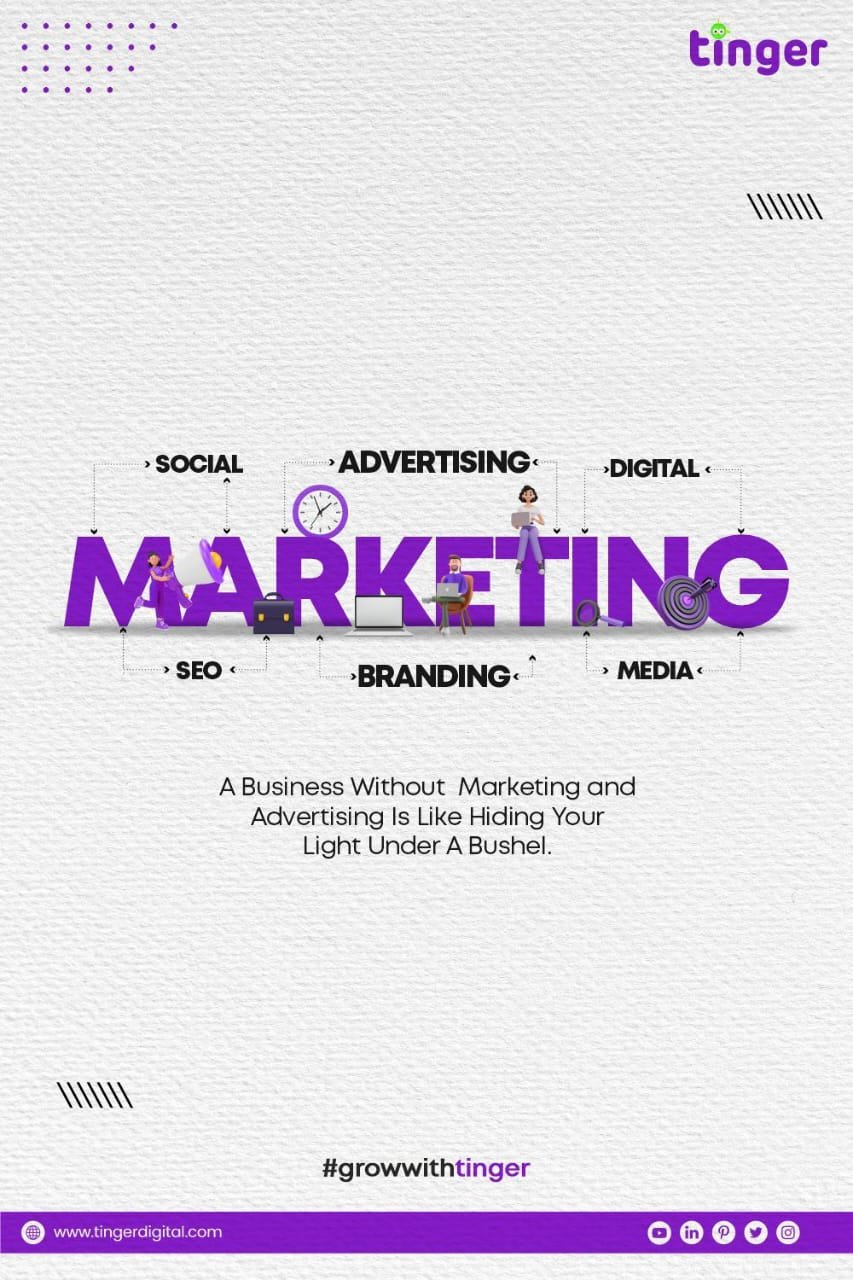
Step 1: Meaning & Definition
Digital Marketing
Digital marketing is the promotion of products or services using the internet and digital platforms such as Google, social media, websites, email, and mobile apps.
Traditional Marketing
Traditional marketing uses offline methods to promote products, such as newspapers, television, radio, banners, hoardings, and pamphlets.
Step 2: Marketing Platforms Used
Digital Marketing Platforms
- Google (Search & Display Ads)
- Social Media (Instagram, Facebook, LinkedIn)
- Websites & Blogs
- Email Marketing
- YouTube & Video Ads
Traditional Marketing Platforms
- Newspapers & Magazines
- Television Ads
- Radio Ads
- Billboards & Hoardings
- Flyers & Posters
Step 3: Cost & Budget
Digital Marketing
- Low budget friendly
- Ads can start with small amounts
- Suitable for startups and small businesses
- Better return on investment (ROI)
Traditional Marketing
- Expensive
- Requires high budget
- Not affordable for small businesses
- ROI is difficult to measure
Step 4: Target Audience
Digital Marketing
- Highly targeted (age, location, interest, behavior)
- Reach exact customers
- Personalized ads
Traditional Marketing
- Broad audience
- No specific targeting
- Ads reach many uninterested people
Step 5: Communication Style
Digital Marketing
- Two-way communication
- Customers can comment, like, share, and message
- Builds strong customer relationships
Traditional Marketing
- One-way communication
- No direct interaction with customers
- Feedback is slow or missing
Step 6: Performance Tracking
Digital Marketing
- Easy to track results
- Real-time data and analytics
- Track clicks, views, leads, and sales
Traditional Marketing
- Hard to measure performance
- No real-time data
- Results are based on estimation
Step 7: Speed & Flexibility
Digital Marketing
- Campaigns can start instantly
- Easy to edit, pause, or stop ads
- Quick results
Traditional Marketing
- Takes time to launch campaigns
- Changes are costly and slow
- Results take longer
Step 8: Customer Reach
Digital Marketing
- Global reach
- Accessible anytime, anywhere
- Ideal for online businesses
Traditional Marketing
- Limited to local or regional areas
- Fixed time exposure
- Better for local brand awareness
Step 9: Examples
Digital Marketing Examples
- SEO (Search Engine Optimization)
- Social Media Marketing
- Google Ads
- Content Marketing
- Influencer Marketing
Traditional Marketing Examples
- TV Commercials
- Newspaper Ads
- Radio Announcements
- Pamphlet Distribution
Step 10: Which One is Better?
Both marketing types have their own importance:
- Digital marketing is best for modern businesses, startups, and online growth.
- Traditional marketing is useful for local branding and offline audiences.
- The best strategy is to use both together for maximum results.
Final Conclusion
Digital marketing is more cost-effective, measurable, and targeted, while traditional marketing focuses on mass awareness. In today’s digital world, businesses prefer digital marketing because it provides faster growth and better engagement.